 By: Susan Anderson
If you are a gardener growing basil, this time of year is when the plant begins to really fill out and provide you with a lot of aromatic abundance. So what are some of the ways to use this garden delight?. Let's see... how can I count the ways?
1) Make Basil Infused Oil. Here is a link to an easy recipe.
2) After you make the infused oil, why not a companion basil vinegar? Go here to see how to make it.
3) Still have more basil coming in- give it away to family and friend,no one says no! Then they will come back asking for more.
4) Want to save some basil for the winter? Freeze the leaves- Here is a trick I learned a few years ago. Clean and dry the basil leaves, then place in a small jar with good quality olive oil, just enough to keep the leaves wet. Place in the freezer. When you pull out your basil in the dead of the winter, it will be fresh and green. If you just freeze your leaves they will not retain their color.
5) Now who can resist basil pesto? Easy to make! Use right away or freeze. Rather than share my recipe which uses no measurements and is completely done by eyeballing it, here is one that is easy to follow.
6) Crush a few fresh basil leaves to use as a herbal rub and topical treatment for insect bites to reduce the itching and inflammation.
7) Make a herbal tincture with basil leaves to help with relieve nervous conditions and induce relaxation. Click here to learn how to make a herbal tincture.
8) Make a herbal tea with fresh basil leaves and a few of the seeds. Basil is known as a herbal aid in digestive issues. Studies show that basil contain anti-inflammatory and anti-bacterial properties.
9)For a relaxing bath, add some fresh basil leaves to the warm bath water.
10) Use a cooled basil tea made with the leaves as a hair conditioner.
There are many more ways to use this wonderful herb, but instead of overloading you with ideas, let's just say this is a springboard into the infinite possibilities. Have fun! And by the way, why not share your experiences and ...Tell us about your favorite use.
25 Eylül 2012 Salı
The Many Uses For Your Basil Bounty

Got Ants?
 BY: Susan Anderson
Remember the lyrics to a song from childhood that went, "The ants come marching one by one, hoorah! hoorah!"? Well that is exactly what is playing out on our kitchen counter right now. And to say the least, I would rather have them marching to their catchy little tune outside, instead of tramping through our house.
Each summer it seems these tiny little creatures make their pilgrimage into our house. Sometimes they come by route of the front door, at other times they come from the kitchen window sill, but regardless of their point of entry, they remain uninvited. My first attempt is always to ask them politely to remain outside, but my communication skills with these insects isn't honed enough yet that they respond to my requests.
So the second try is to use non-toxic remedies. Let me clarify, the non-toxic methods are for humans and pets, but are a deterrent to the ants to keep them out. So if you have GOT ANTS too, here is a list of suggestions. Depending on your conditions and the type of ants entering the premises, different suggestions work better than others. So read on to find out what can be done to keep them marching four by four out the door.
It is always a good idea to find the point of entry and work from that direction onward:
1. White Vinegar: place in a spray bottle and squirt the area where you see the ants, let is dry. Reapply as needed
2. Sprinkle plain old cinnamon where you see the ants coming into the house.
3. Black Pepper: can also be sprinkled at the point of entry to keep the ants from marching on in.
4. Mix a 50/50 blend of apple cider vinegar and water and sray as needed.
5. Mix equal parts of Windex and Ivory Soap, then spray the problem area.
6. Keeping Bay Leaves out in the areas that are affected by the ants.
7. Mixing a bit of borax with sugar then spreading out on the counter where the ants will come for a taste.
8. Drawing a line with white chalk where the ants are entering is supposed to keep the ants from crossing over.
9. Mint: not a favorite of ants and they will stay away.
10. Diatomaceous Earth: sprinkled where the ants will be walking.
There are plenty more solutions-- this being just the short list of possibilities. This year we had the teeny tiny little black ants coming through by the kitchen window so I used a combination approach. First, I wiped down around the affected window and counter area with straight white vinegar. After that dried I then mixed cinnamon with some crushed mint leaves and spread a line of the blend right below the window on the kitchen counter, and so far so good- I no longer GOT ANTS at this point in time.
Good luck to you. Send it your suggestions or approaches that have worked for you, I would love to hear them
All That Glitters Is Not Gold: Toxic Cosmetic Ingredients to Avoid
 Many of us out there are working hard to improve the quality of our life. We are trying to educate ourselves about health, wellness and the environment. We are trying to eat better, live healthier, and be more aware of our impact on the enviroment. But one area we often overlook-- the personal care products we use on our skin.
Our skin is the largest organ of our body and our first line of defense. Just as we have learned to read labels to find out what ingredients we are ingesting with our food that are helpful and which should be avoided, we must also be as diligent with label reading of our body care products. Why? Because, all that glitters is not gold! Toxic ingredients found in our personal care products, which are applied to the skin, do make their way into our bodies. Once inside, the party begins.
Read below about some of the common not-so-good for you ingredients that we are bringing into our body system, and what effect they may have on us. Maybe the next time we pick up a bottle of shampoo, lotion, cream, or cosmetic, we may decide to check out the label before buying.
COAL TAR:
Coal tar is used to treat eczema, psoriasis and other skin disorders and can be found in anti-itch creams and scalp treatments. It’s also a known carcinogen.
DIETHANOLAMIE (DEA):
A lathering agent in soaps and shampoos, DEA isn’t carcinogenic by itself, but can react with other chemicals in products to create a carcinogen readily absorbed into the skin. Look for DEA in many forms, such as Cocamide DEA, Oleamide DEA and Lauramide DEA.
FORMALDEHYDE:
A frighteningly common ingredient in a variety of beauty products. Formaldehyde is a known carcinogen. Causes allergic, irritant and contact dermatitis, headaches and chronic fatigue. The vapour is extremely irritating to the eyes, nose and throat (mucous membranes).
PARABENS:
More and more products are being specifically labeled “paraben free.” This is because parabens, in their many forms (methylparaben, propylparaben, ethylparaben, or butylparaben) have been linked to breast cancer. The FDA claims that parabens aren’t dangerous at very low levels, but when you consider that 25,000 different cosmetics and skincare products contain these chemicals, it’s feasible to build up quite an exposure in a lifetime.
PHENYLENEDIAMINE (PPD)
An ingredient used in hair dyes (including eyelash dye), the National Institute for Occupational Safety and Health (NIOSH) has run studies that show a higher incidence of cancer among hairdressers and cosmetologists; they have the highest PPD exposure. Although PPD is not approved for products that come in contact with the skin, hair dye usually gets on your forehead or ears for up to 30 minutes. Why take the risk?
PHTALATES:
The subject of much controversy because of hormone-disrupting phthalates being found in plastic baby bottles and teethers, let’s not forget that they’re a common ingredient in cosmetics, too.
SODIUM LAURYL SULFATE (SLS & SODIUM LAURETH SULFATE (SLES):
A foaming agent in soaps and shampoos, SLS and SLES are skin irritants and can enter the heart, brain and liver through the skin and accumulate in these organs.
TOLUENE:
Found in nail polish and hair dye, this is a nasty one. Toluene is toxic to the nervous system, and breathing it in can cause dizziness and headaches. High exposures can lead to birth defects and miscarriage, so watch out if you work in a nail salon. Use toluene-free brands of nail polish instead.
SYNTHETIC FRAGRANCE:
Because of an FDA loophole, cosmetic companies can hide a whole slew of chemicals, many of which are phthalates, under the label “fragrance". The synthetic fragrances used in cosmetics can have as many as 200 ingredients. There is no way to know what the chemicals are, since on the label it will simply read “fragrance.” Some problems caused by these chemicals include headaches, dizziness, rash, hyper-pigmentation, violent coughing, vomiting, skin irritation, etc. Chose products that are fragrance free.
TRIETHANOLAMINE (TEA):
TEA is used to balance PH and is a common ingredient in “gentle” cosmetic products, but unfortunately it’s been known to cause allergic reactions, is an eye irritant and can cause dry hair and skin. With consistent use, TEA is absorbed into the body and accumulates, where it can become toxic.
HYDROQUINONE:
A skin-bleaching ingredient, hydroquinone is banned in Japan, the European Union, and Australia, but it’s still in use in the United States and other countries worldwide. Hydroquinone is found not only in Asian and African skin-lightening products, but in creams to lighten age-spots as well. There’s some evidence that hydroquinone is a carcinogen, and is linked to ochnronosis, a condition in which grayish brown spots and bumps occur on the skin.
DIAZOLIDINYL UREA, IMIDAZOLIDINYL UREA:
These are widely used preservatives. The American Academy of Dermatology has found them to be a primary cause of contact dermatitis. Two trade names for these chemicals are Germall II and Germall 115. Neither of the Germall chemicals contains a good antifungal agent, and they must be combined with other preservatives. Both these chemicals release formaldehyde, which can be toxic.
PETROLATUM:
Also known as petroleum jelly, this mineral oil derivative is used for its emollient properties in cosmetics. It has no nutrient value for the skin and can interfere with the body’s own natural moisturizing mechanism, leading to dryness and chapping. It often creates the very conditions it claims to alleviate. Manufacturers use petrolatum because it is unbelievably cheap.
PROPYLENE GLYCOL (PG):
Is a colorless, nearly odorless, syrupy liquid that is derived from natural gas. It is used in dozens of products that you commonly use around your house. Some websites and natural product promoters argue that PG is a nasty, carcinogenic chemical that has been wrongly green lighted by the FDA. The FDA, and others, say that their claims are completely unfounded - that PG is completely safe when used properly. It has been known to cause allergic reactions, hives and eczema. When you see PEG (polyethylene glycol) or PPG (polypropylene glycol) on labels, beware, these are related synthetics.
PVP/VA COPOLYMER:
A petroleum-derived chemical used in hair sprays, styling aids and other cosmetics. It can be considered toxic, since inhaled particles can damage the lungs of sensitive persons.
STEARALKONIUM CHLORIDE:
Developed by the fabric industry as a fabric softener, SKC is a quaternary ammonium compound used in hair conditioners and creams to add shine and improve managability. It is a lot cheaper and easier to use in hair conditioning formulas than proteins or herbs, which are beneficial to the hair. SKC is highly toxic and causes allergic reactions.
SYNTHETIC COLORS:
Used to make cosmetics attractive to buyers, synthetic colors, along with synthetic hair dyes, should be avoided at all costs. They will be labeled as FD&C or D&C, followed by a color and a number. Example: FD&C Red No. 6 / D&C Green No. 6. Many synthetic colors can be carcinogenic.
SOURCES: FOR TOXIC INGREDIENT INFORMATION:
Toxic Cosmetic Ingredient List
Toxic Ingredients in Cosmetics
Oodora
ecosalon
Power Packed Parsley
 Author: Susan Anderson
Parsley is such a commonly used culinary herb, that it is easily overlooked for its therapeutic and healing benefits. Along with turmeric, chili peppers, sage, cinnamon, oregano and ginger, it is one of top seven powerhouse herbs and spices that are frontline helping individuals to prevent illness and maintain good health. Don't let the easy availability and common use of this herb go unappreciated. Check out the list below of some of the benefits of using parsley on a regular basis.
BENEFITS OF PARSLEY:
1. Builds blood
2. Aids in digestion
3. Boosts energy
4. Combats fatigue
5. Helps the heart
6. Dissolves cholesterol in the veins
7. Supports the adrenals
8. Strengthens teeth
9 Builds bones
10. Prevents birth defects
11. Enhances nutrient absorption
12. Eliminates bloating
13. Reduces inflammation
14. Provides hormonal support
15. Helps with kidney problems
16. Provides general immune support
SOME NUTRIENTS FOUND IN PARSLEY:
1. Beta carotene
2. Chlorophyll
3. Alpha-Linolenic Acid
4. Fluorine
5. Folic Acid
6. Iron
7. Protein
8. B-12
9. Vit K
10. Vit C
WAYS TO USE PARLEY:
1. Add to sandwiches
2. Add to salads
3. Juice it
4. Just chew on it raw
5. Make a parsley tea
6. Purchase a bottle of parsley tincture
So the next time you look at parsley sitting on the side of your plate, remember that its usefulness goes beyond a decorative dish feature, so why not start adding it to your daily routine. It is just another simple, inexpensive, readily available remedy that is a long distance runner!
Hidden Names for MSG
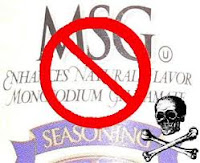 FACT: MSG: monosodium glutamate, is a flavor enhancer added to our food to improve taste and smell, as well as being a slow poison, that creates a host of health problems.
If I asked you, "Do you intentionally purchase products with MSG?" you most likely would say NO. You might even go further and say, "I absolutely never buy anything that contains MSG!". But you may only be referring to packaging that specifically states on the label that MSG is an ingredient.
How about the products containing the hidden names of MSG? Well you might say, "What do you mean?" MSG can be found in a large amount of processed products. So familiarize yourself with the hidden names stated below and try to avoid consuming products containing MSG, you will be giving your health a boost.
ALWAYS CONTAIN MSG:
Autolyzed yeast
Calcium caseinate
Gelatin
Glutamate
Glutamic acid
Hydrolyzed corn gluten
Hydrolyzed protein (any protein that is hydrolyzed)
Monopotassium glutamate
Monosodium glutamate
Natrium glutamate (natrium is Latin/German for sodium)
Sodium caseinate
Sodium glutemate
Textured protein
Yeast food
Yeast extract
Yeast nutrient
23 Eylül 2012 Pazar
Iron deficiency anemia.
The World Health Organization estimated that over 30 per cent of the world's population is anemic, majority of them are due to lack of iron in the body.
How iron deficiency causes anemia.
Iron plays several important roles in our body. The main function is formation of hemoglobin, which carries oxygen from the lungs to other parts of the body.
Iron is a main component of the hemoglobin, which is a red colored pigment found inside the red blood cells. Hemoglobin gives red color to our blood. Four molecules of iron are found in one hemoglobin molecule.Oxygen is temporarily binds with these molecules and transported throughout the body.
Low levels of hemoglobin in the blood is called anemia.
Normal range of hemoglobin in adults are;
Males 13.5-17 g/dl
Females 12-15 g/dl
Lack of iron in the body leads to reduced production of hemoglobin in the red blood cells.
What are the causes of iron deficiency anemia?
Chronic blood loss, and improper diet are the main causes.
Iron is mainly found in the red blood cells. When we lose 1ml of blood, we lose about 1mg of Fe out of the body. Small amounts of blood loss over a long period of time can lead to low levels of iron in the body.
Chronic blood loss can be due to following reasons.
- Menstrual loss: Women lose between 30 - 80ml blood each month during their periods. Some may lose more than that amount. Because of that women are more prone to have iron deficiency symptoms.
- Hemorrhoids (piles): This is a common condition that affects more than a quarter of the adult population. Bleeding from the hemorrhoids is one of the main causes of iron loss.
- Hookworm infestation: This worms are found inside the intestine and suck our blood. This is the most common cause of fe deficiency among children, specially in the developing world.
- Cancer: Cancers in the gastro-intestinal tract, such as stomach, colon and rectum are associated with chronic blood loss. Iron deficiency anemia in a person over the age of 40 is an ominous sign, and should be taken seriously. Necessary investigations should be done to find out or exclude cancer.
- Inflammatory bowel disease: Ulcerative colitis and Crohn's disease cause bloody diarrhea and chronic blood loss.
- Peptic ulcer disease: Gastric or duodenal ulcer can cause chronic bleeding into the gastro-intestinal tract.
- Analgesic use: Long term use of non steroidal anti-inflammatory drugs (NSAID) such as Ibuprofen may cause bleeding from the gastro intestinal tract.
Anemia is more prevalent in vegetarians. Although many vegetables contain significant amounts of Fe, the absorption from these food is limited.
Poor absorption from the digestive tract may result in deficiency. People with coeliac disease, and people who have had gastric bypass surgery are at increased risk.
Increased demand during pregnancy can result in low iron level in the body. Pregnant women need extra iron for their growing babies and placentas, particularly in the later part of pregnancy.
In addition, the volume of blood in the body significantly increases during pregnancy. So more hemoglobin is needs to be produced.
Furthermore, many women start their pregnancy with low levels of iron in body stores. So they are more prone to anemia.
Symptoms and signs of iron deficiency anemia.
- Tiredness and difficulty in doing physical activities.
- Puffy face and leg swelling.
- Palpitations or awareness of heart beat.
- Shortness of breath when doing physical activity.
- Dizziness.
- Chest pain during exertion (angina).
- Pain in the legs while walking (intermittent claudication).
- Headache.
- Ringing in the ears.
- Pallor which is best seen on conjunctiva of the eyes.
- Brittle and spoon shape nails.
- Thin and brittle hair.
- Hair loss.
- Soreness of the tongue.
- Altered taste.
- Eating strange items such as mud or ice. This condition is called pica.
- Difficulty in swallowing.
- Ulcers at the corners of the mouth.
- Impaired immunity and increased susceptibility to infections.
- Impaired growth in children.
- Heart failure.
How to prevent anemia due to iron deficiency.
Eating iron rich food is the best way of preventing anemia. Foods of animal origin are the best sources.
Red meat is the number one food that provide adequate amounts of heme iron. Eating beef or lamb one or twice a week is a good way of preventing anemia.
Liver of beef, lamb, and chicken contain large amounts of iron. However, eating too much liver is not recommended because of the risk of vitamin A toxicity.
Beans and green leafy vegetables are the good plant sources. Better examples are; spinach, tofu, lentils, kidney beans, lima beans, soybeans, and dates.
However, iron from these food is poorly absorbed by our bodies. The absorption can be increased by adding vitamin C rich foods such as lemon, lime, and capsicum.
How iron deficiency anemia is diagnosed.
Estimation of hemoglobin (Hb%) in the blood is measured to diagnose anemia. An Hb level of less than 13.5g/dl in men, and less than 12g/dl in women are indicatives of anemia.
Measuring hematocrit is another test. This is the percentage of red blood cells (RBC) by volume in the blood. Normal ranges are 38-50 for males, and 35-45 for females.
These two tests can identify anemia. However, further tests are needed to demonstrate low levels of iron in the body.
Blood picture is a test used to examine the morphology of blood cells. In iron deficiency, red blood cells are smaller and paler in color than normal. This is called microcytic hypochromic anemia.
Ferritin; a protein helps store iron in the body. Estimation of ferritin is done to identify iron deficiency.
If the results indicate anemia due to lack of iron, further tests may be needed to confirm the cause of deficiency. Upper GI endoscopy, colonoscopy, and ultra sound scan are commonly performed.
Treatment of iron deficiency anemia.
Your doctor may recommend you to take iron supplements. In addition, he or she will also treat the underlying cause such as piles, peptic ulcer or menorrhagia.
When taking iron supplements consider following points.
- Always take the correct dose. Iron overdose can be dangerous.
- It is better to take it on an empty stomach. If you develop nausea, stomach upset or vomiting, take the pills with small amount of food.
- You can take the tablets in divided doses to reduce the side effects. For example; taking one tablet in the morning and one in the afternoon is better than taking two at the same time.
- Do not take iron with antacids or calcium supplements because they reduce the absorption of iron.
- Avoid tea, coffee and milk at least two hours before and after taking the tablets, because these foods reduce the absorption of iron.
- Take the tablets with plenty of water. Never swallow the tablets without water.
- Always take while you are sitting or standing. Never swallow the pills while you are lying on the bed.
- Vitamin C is an iron absorption enhancer. So, drinking orange juice may help increase the absorption of iron from the gut.
- Do not chew, crush or split extended release tablets.
- If you are using liquid form, shake well before use and measure the correct amount carefully.
- Iron supplements have many side effects, most are minor ones. However they may cause allergic reactions. If you develop symptoms of allergy such as itching, rash, swelling, dizziness and difficult breathing, stop the medicine and seek immediate medical help.
- Keep the iron and other medications away from children.
- You may stop taking the iron supplement when your body's iron stores become full. Check you blood for iron and ferritin levels and ask your doctor when to stop.
Amazing benefits of bananas.
Bananas contain many essential nutrients including vitamins and minerals. In addition, they are a good source of energy, and fiber. Benefits of bananas range from providing healthy skin and hair to prevention of cancer.
Millions of people in developing countries eat banana as a staple food. They also use it as a natural remedy for many illnesses.
There are many health benefits of bananas. I can't tell all of them in detail in one post.
Here are some reasons why bananas are good for your health.
Bananas give you a healthy skin.
Bananas have many nutrients that are essential for your skin. They contain significant amounts of vitamin C which plays vital role in maintaining the integrity of your skin.
Collagen; a type of protein found in our skin. It is essential for strength and elasticity of the skin. Vitamin C is needed for the production of collagen by the body.
In addition, vitamin C is a powerful antioxidant that protects the body from damage caused by oxygen free radicals. Long term destruction caused cause by the free radicals is a major cause of premature aging process of the skin. An important benefit from eating banana is younger looking skin. It can also prevent hair loss.
Good hydration is needed for your skin in order to look nice. Banana has about 75 per cent water by weight in it. Eating bananas help hydrate your skin and prevent it from drying and peeling.
Bananas are good source of vitamin B6 which is also known as pyridoxine. This B group vitamin is essential for a good healthy skin.
Large amounts of manganese is found in banana. Manganese is an antioxidant which protects the skin from damage by free radicals.
Bananas boost your energy.
Energy is needed for our day to day activities. This energy is measured in calories.
Bananas are good source of energy. An average size banana will provide you about 100 calories. They give instant energy, that means, you do not need to wait for long time to get the result. The energy is available as soon as you eat them.
Bananas relieve constipation.
Almost everyone experiences constipation at some point in their life. Constipation is a very common symptom affecting people of all age groups.
Lack of fiber in our diet is the main cause of chronic simple constipation. Bananas are rich in a type of soluble fiber called pectin. Eating them everyday will provide considerable amounts of soluble fiber, which makes your feces soft and bulky. It helps have regular smooth bowel movements.
Bananas give you better sleep.
One of the main benefits of eating banana is getting good quality sleep, which is essential for our health. Lack of sleep can cause many health problems including obesity.
Sleep is regulated by a hormone called melatonin. This hormone is secreted by pineal gland which is located in the brain.
The pineal gland secretes melatonin in response to darkness. Tryptophan; an amino-acid is necessary for the production of this sleep hormone.
Bananas contain large amounts of tryptophan and serotonin. High carbohydrate content in bananas helps the brain to utilize tryptophan and serotonin to produce the sleep hormone.
Eating banana few hours before bedtime will help you have a peaceful night sleep.
Good source of potassium.
Potassium is essential for many important functions of the body. We need potassium to maintain our blood pressure in a healthy range. Inadequate intake of potassium with our diet can cause high blood pressure.
In addition, potassium is needed for the heart to contract properly. The pumping action helps convey the blood throughout the body.
Furthermore, we need potassium for muscle contraction, and conduction of signals along nerve fibers.
Bananas have good amount of potassium. Many people do not know about the benefits provided by potassium in bananas.
It is recommended by many doctors to eat banana when you have diarrhea. You lose lots of potassium during lose motions. Eating banana can replace the potassium that you have lost in the feces.
Bananas are loaded with nutrients.
Banana is a versatile fruit that contain many nutrients including vitamins and minerals.
The following nutrition information is for an average size banana that would be approximately 100g in weight.
- calories - 100
- protein - 1.25g
- carbohydrates - 25g
- fiber - 3g
- potassium - 400mg
- zinc - 15mg
- vitamin C - 10mg
- vitamin B6 - 400micg
- manganese - 300micg
Other benefits from eating bananas.
It is believed that bananas give many other health benefits. Some are not clearly proven by scientific studies.
Stabilize your mood: Researches show that serotonin, a neurotransmitter found in bananas may help have a good mood. It can help people with depression to overcome their low mood.
Good for babies: Banana is often the first food given to weaning infants. They are easily digested. Babies like the taste and texture. In addition, only few babies are allergic to it.
Prevents stroke: Some studies reveled that eating bananas as part of a regular diet can reduce the risk of developing stroke. It may be due to the beneficial effect on blood pressure.
Reduce cancer risk: It is believed that eating bananas and other fruits that contain fiber and antioxidants reduces the risk of bowel cancer, and possibly other cancers.
Health benefits from eating bananas are numerous. Instead of drinking a coffee, eat a banana. It will boost your energy and give you good amounts of nutrients.